Digital Paperback Patterns Scrapbooking: A Practical Guide for Creators and Professionals
Creative projects demand consistent, high-quality assets that can adapt across multiple formats and purposes. Digital paperback patterns scrapbooking has emerged as a versatile resource for designers, small business owners, educators, and hobbyists who need repeatable, scalable design elements for both print and digital work. A well-curated collection—such as a set offering 20 pieces of digital paper in both PNG and JPG formats at 12x12 inches—provides the foundation for efficient workflows across greeting cards, party decorations, planners, labels, and more. Understanding how to integrate these assets into your process can save time, improve output quality, and expand your creative possibilities.
This article walks through what digital paperback patterns scrapbooking entails, where it fits into a broader production pipeline, and how professionals across different fields can implement these resources for consistent, polished results.
Understanding Digital Paperback Patterns Scrapbooking in Context
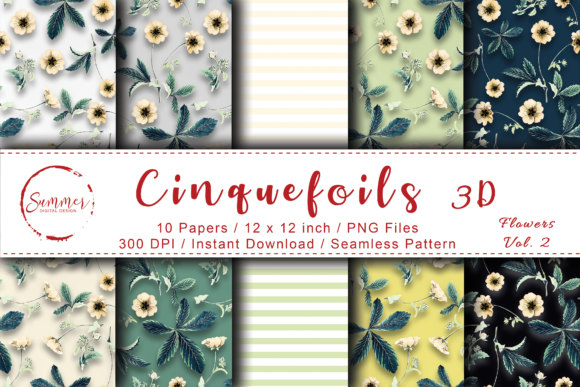
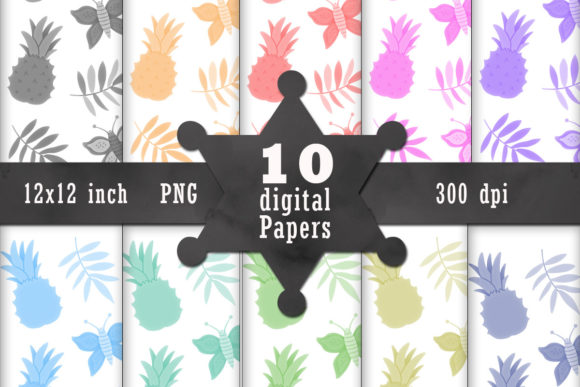
At its core, digital paperback patterns scrapbooking refers to pre-designed digital paper files that mimic the texture, weight, and aesthetic of traditional paperback book covers or decorative scrapbooking paper. These patterns are typically created at high resolution and offered in multiple file formats to accommodate different software environments and use cases. A standard collection might include 10 digital papers delivered in both PNG and JPG formats, yielding 20 total files—each sized at 12x12 inches for maximum flexibility.
The value of such a collection lies not just in the designs themselves, but in how they fit into a repeatable creative process. Whether you are preparing materials for a wedding invitation suite, assembling a planner layout, or producing marketing collateral for a small business, having a unified set of patterns eliminates the need to source individual backgrounds for every project. This consolidation reduces decision fatigue, maintains visual consistency, and speeds up production timelines.
Where It Fits in a Broader Workflow
Digital paperback patterns scrapbooking typically enters the workflow during the asset preparation phase. After you have defined the scope of a project—be it a single greeting card or a full party decoration set—you select your base patterns before moving into layout and composition. The patterns act as the foundation upon which text, images, and other design elements are layered.
Because the files are offered in both PNG and JPG formats, you can choose the format that best suits your software and output requirements. PNG files preserve transparent backgrounds where applicable and support lossless compression, making them ideal for digital composites, layered designs, and print-ready files where sharpness matters. JPG files, with their smaller file sizes, work well for web previews, quick mockups, or projects where file size constraints exist. Having both options available means you are not locked into a single format mid-project.
Pre-Project Planning and Preparation
Successful implementation of any design resource begins before the first file is opened. For digital paperback patterns scrapbooking, preparation involves evaluating the patterns against your project requirements, checking resolution and color profiles, and organizing your files for easy retrieval.
Selecting Patterns for Specific Outputs
Different use cases demand different pattern characteristics. For party decorations or large-format prints, bold repeating patterns with clear contrast work well. For greeting cards or invitation cards, subtler textures and softer color palettes often complement text overlays. Convalescence cards, which are meant to convey warmth and encouragement, benefit from patterns that feel calm and approachable rather than busy.
When you have a collection of 20 files, you can sample multiple options before committing to one design. Lay the patterns side by side in a mood board or a software library to see how they interact with each other. This preview step helps you identify which patterns will serve as primary backgrounds, which will work for accents or embellishments, and which might be better suited for future projects.
Format Selection and Compatibility
PNG and JPG formats serve different purposes, and understanding their strengths avoids unnecessary conversion steps later. PNG files are preferable when you intend to layer the pattern with other elements that require transparency or when you plan to edit the file repeatedly. JPG files are more efficient for projects where file size matters, such as email attachments, web uploads, or storage-limited devices.
Check the color profile of the patterns before integrating them into a project. Most professional workflows use sRGB for digital display and CMYK for print. If your patterns are provided in RGB (common for PNG and JPG), you may need to convert them for print projects or use design software that handles color management automatically. Testing a small print sample before committing to a full run prevents color mismatches.
Integration with Tools, Platforms, and Other Assets
Digital paperback patterns scrapbooking is not a standalone resource. Its real power emerges when combined with other tools and assets within your creative ecosystem. Understanding how the patterns interact with your software, hardware, and existing file library helps you build a seamless workflow.
Software Compatibility
Most design applications—Adobe Photoshop, Illustrator, Canva, Affinity Designer, Procreate, and even Microsoft Office—accept PNG and JPG files natively. The 12x12 inch size at standard resolution (typically 300 DPI for print-ready files) means you can place the pattern directly onto a canvas without resizing or upscaling. This saves time and preserves image quality.
For users working in Canva or similar browser-based platforms, the PNG format is particularly useful because it supports transparency. You can overlay text, illustrations, or photos on top of the pattern without needing to mask out a background. For print-focused workflows in Adobe InDesign or Affinity Publisher, the JPG format offers faster rendering during layout while maintaining sufficient quality for commercial printing.
Combining with Other Design Assets
A single pattern can serve as the unifying thread across a suite of materials. For example, if you are producing a birthday party package, the same digital paperback pattern can appear on the invitation card, the cupcake toppers, the wrapping paper, and the label stickers. This repetition creates visual cohesion without requiring you to design each item from scratch.
Patterns also combine well with Washi Tape overlays, planner stickers, and ribbon mockups. By layering a semi-transparent pattern over a solid background or using it as a border element, you extend the utility of a single file across multiple touchpoints. The key is to maintain a consistent scale and alignment so the pattern does not appear distorted when used in different orientations.
Practical Implementation Across Use Cases
The versatility of digital paperback patterns scrapbooking means the same set of files can serve wildly different purposes. Below are real-world implementation examples that illustrate how the patterns integrate into specific projects.
Scrapbooking and Memory Keeping
For scrapbookers, the 12x12 inch size matches standard scrapbook page dimensions. The PNG format allows you to clip photos, journaling cards, and embellishments directly onto the pattern without worrying about background clashes. Because you have 10 distinct designs, you can alternate pages with different patterns while maintaining a cohesive album aesthetic. Print the patterns at home on matte or glossy photo paper, or send them to a professional print service for higher durability.
Party Decorations and Event Materials
Event planners and party hosts can use the patterns for banner backgrounds, table placemats, cupcake toppers, and favor tags. By using the same pattern across multiple items, you create a polished, coordinated look. The JPG format works well for quick print runs at home, while PNG files give you the flexibility to resize elements for smaller items like stickers or labels.
Greeting Cards, Invitations, and Convalescence Cards
Card makers benefit from the built-in texture and visual interest that patterns provide. Fold a 12x12 inch pattern in half to create a standard 6x6 inch card base, or trim it to fit A2 card blanks. The patterns also serve as envelope liners or insert backgrounds. For convalescence cards, choose softer, muted patterns that convey calm and care. The ability to use the pattern digitally means you can add text and graphics before printing, saving time on physical embellishments.
Planners, Labels, and Washi Tape
Productivity-minded users and small business owners can incorporate the patterns into planner layouts, sticker sheets, and label designs. Print the patterns on adhesive paper and cut them to size for custom stickers, or use them as digital backgrounds in planning apps like GoodNotes or Notability. The patterns also work as Washi Tape simulants when printed on translucent paper, giving you a custom tape design without the minimum order quantities.
Wrapping Paper and Packaging
For entrepreneurs who sell physical products, custom wrapping paper elevates the unboxing experience. The 12x12 inch size is ideal for small gift boxes, favor bags, or as interior box liners. Because the patterns are digital, you can reprint exactly the same design whenever you need it, maintaining brand consistency across shipments.
Organization, Efficiency, and Long-Term Use
Getting the most out of a digital paperback patterns scrapbooking collection requires systematic file management and a forward-looking approach to asset reuse.
File Naming and Folder Structure
When you have 20 files, even a modest collection can become unwieldy if not organized properly. Create a naming convention that includes the pattern name, format, and color palette. For example: PaperbackFloral_PNG_Blush or GeometricGrid_JPG_Navy. Store PNG and JPG versions in separate subfolders within a main collection folder. This structure makes it easy to locate specific patterns during a project and avoids duplicate file confusion.
Backup and Access
Digital assets should be backed up in at least two locations—local storage and a cloud service. Because the patterns are digital, they are vulnerable to drive failure or accidental deletion. A cloud backup also allows you to access the files on different devices, which is useful if you work across a desktop and a tablet.
Repurposing Across Projects
The same pattern collection can serve dozens of projects over time. After using a pattern for a holiday card, you might revisit it months later for a label design or a social media graphic. Keeping the files in their original, unmodified state ensures you always have a clean base to work from. If you edit a pattern for a specific project, save the edited version with a distinct filename so the original remains available.
Quality Control and Consistency
Before finalizing any project that uses digital paperback patterns scrapbooking, run a quality control check that covers resolution, color accuracy, and alignment. Print a test sample at actual size to verify that the pattern renders cleanly and that colors match your expectations. For digital projects, zoom to 100% view to check for pixelation or compression artifacts, especially if you are using JPG files.
Consistency across a project set—such as a suite of party materials—depends on using the same pattern at the same scale. If you resize a pattern for a smaller item like a cupcake topper, maintain proportional scaling so the repeat does not become distorted. Many design applications allow you to define a pattern as a fill layer, which locks the scale and alignment automatically.
Building a Repeatable Creative Workflow
The most efficient users of digital paperback patterns scrapbooking treat the collection as a core component of their asset library rather than a one-time purchase. By integrating the patterns into your standard template files—whether for cards, planners, or labels—you eliminate the need to start from scratch every time. Create template documents with the pattern already placed, and save them as project starters. This approach reduces setup time and ensures that every project benefits from the same baseline quality.
As your collection grows, rotate patterns in and out of your active library. Keep your most-used patterns easily accessible and archive those you rarely use. This prevents clutter while preserving the long-term value of your full collection.
Digital paperback patterns scrapbooking, when approached with a practical mindset, becomes more than just a decorative element. It becomes a strategic resource that streamlines production, enforces visual consistency, and allows you to focus on the creative decisions that truly differentiate your work. Whether you are preparing a single card or an entire event suite, the right pattern collection—in the right formats and at the right resolution—provides the reliable foundation that every efficient workflow requires.